
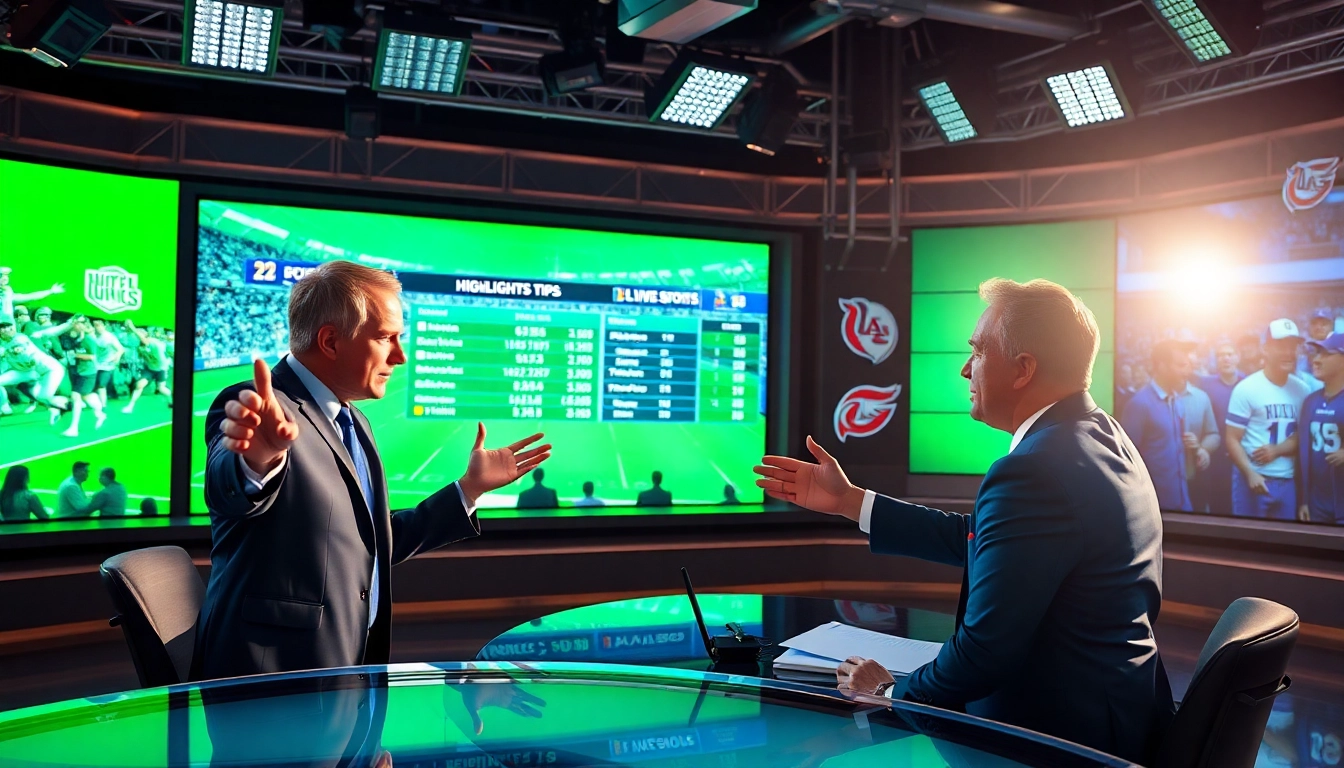
Mastering Sports Broadcasting: Strategies and Techniques for Success
Understanding the Basics of Sports Broadcasting
Sports Broadcasting is a dynamic segment of media that captures the passion of sports fans. It encompasses the live transmission of sporting events, marketing strategies, and the technology required to deliver content seamlessly. With the expanding digital landscape, Sports Broadcasting has evolved significantly over the years, enhancing viewer engagement and marketing possibilities.
The Evolution of Sports Broadcasting
From its origins in radio to the current era of streaming services, sports broadcasting has undergone a metamorphosis. While early broadcasts were limited to local radio stations, the introduction of television revolutionized how fans consumed sports. The rise of cable channels further diversified content access, and today, OTT platforms offer fans an array of viewing options. High-definition broadcasting, multi-camera setups, and interactive features have further enriched the viewer experience.
Key Roles in Sports Broadcasting
The sports broadcasting ecosystem consists of various key roles that contribute to a successful broadcast. Producers curate the content, while directors manage the visual aspects. Commentators engage audiences with real-time insights and analysis, while technicians and engineers ensure flawless operation. Each role plays a vital part in delivering a coherent narrative and visual experience that resonates with fans.
The Importance of Broadcast Rights
Broadcast rights define the legal parameters for airing sports events. Major leagues negotiate lucrative contracts with networks to secure coverage and revenue streams. These agreements affect how fans access content, with contractual obligations often dictating which games are aired in specific regions. Understanding broadcast rights is crucial for any entity involved in sports media.
The Technology Behind Sports Broadcasting
In the world of sports broadcasting, technology is an essential driver of innovation. Effective broadcasting relies on a variety of equipment and emerging technologies that enhance both the quality of transmission and viewer engagement.
Equipment Needed for Effective Broadcasting
Essential equipment for sports broadcasting includes high-definition cameras, audio mixers, and transmission devices. Cameras must be capable of capturing fast-paced action without lag, while audio equipment ensures clarity of commentary. Additional tools such as replay systems and graphics generators are also critical for enhancing viewer experience by adding layers of context and immediacy.
Emerging Technologies in Sports Broadcasting
Technological innovations such as 4K broadcasting, augmented reality, and virtual reality are reshaping the landscape of sports broadcasting. 4K provides stunning clarity that immerses viewers in the action, while AR and VR create interactive experiences that captivate fans. These emerging technologies are integral to staying competitive in a fast-paced media environment.
Ensuring Quality Signal Transmission
Signal transmission quality remains a top priority in sports broadcasting. Reliable signal pathways, whether through satellite, fiber optics, or broadband, are crucial for seamless viewing experiences. Robust backup systems and continuous monitoring help maintain quality, avoiding disruptions during critical moments of broadcasts.
Content Creation and Audience Engagement
Creating captivating content and engaging with audiences is vital for any successful sports broadcast. In an age of instant content, the approach to storytelling and viewer engagement must be innovative and compelling.
Developing Compelling Storylines
Viewers often connect with the narratives behind the games just as much as the action itself. Engaging storylines may include player rivalries, team dynamics, historical context, and pivotal moments that forge strong emotional ties with the audience. Crafting these narratives requires research, creativity, and an understanding of the audience’s emotional investment.
Engaging with Viewers Through Social Media
Social media provides an interactive platform for sports broadcasters to connect with fans. Engaging viewers through live tweets, interactive polls, and behind-the-scenes content builds a community around broadcasts. Live interaction helps foster loyalty and expands reach by enabling audience members to share their favorite moments across their networks.
Effective Use of Graphics and Visuals
Visual elements such as infographics, player statistics, and on-screen graphics enhance storylines and provide viewers with critical data instantly. Effective use of graphics can highlight key moments and contextualize the on-screen action, making broadcasts more informative and engaging. The right balance of visuals ensures the audience remains engrossed without feeling overwhelmed.
Monetization Strategies in Sports Broadcasting
Monetizing sports broadcasts is essential for sustainability and growth. Various models exist to generate revenue from content that caters to a diverse audience’s interests.
Understanding Advertising Opportunities
Advertising plays a significant role in funding sports broadcasting. By creating targeted ad placements, broadcasters can tailor marketing messages that resonate with their audience. Understanding viewer demographics allows for strategic advertising partnerships and more effective monetization.
Pay-Per-View vs. Subscription Models
Both pay-per-view and subscription models offer distinct advantages for monetizing sports broadcasts. Pay-per-view is ideal for special events where fans pay only for specific matches, enhancing exclusivity. Conversely, subscription models provide consistent revenue, fostering a dedicated fanbase over time. Establishing the right model depends on audience preferences and broader market trends.
Sponsorships and Collaborations
Sponsorship opportunities abound in sports broadcasting, from traditional brand placements to innovative collaborations. Building partnerships with brands that align with the audience’s interests can add value both to the broadcast and the sponsors. Authentic integration of sponsorship content maintains audience trust while enhancing the viewing experience.
Measuring Success in Sports Broadcasting
To understand the effectiveness of sports broadcasting efforts, measuring success through defined metrics is crucial. Analyzing viewer behavior, feedback, and engagement provides actionable insights for improvement.
Key Performance Indicators to Track
Key Performance Indicators (KPIs) such as viewership numbers, audience demographics, and engagement rates provide valuable insights. Tracking these metrics allows sports broadcasters to assess the impact of their content and make informed decisions that align with audience preferences.
Analyzing Viewer Ratings and Feedback
Regularly analyzing viewer ratings alongside qualitative feedback helps identify strengths and weaknesses in broadcasting efforts. Understanding what resonates with audiences enables tailored adjustments that enhance viewer satisfaction and engagement levels.
Continuous Improvement Strategies
Continuous improvement in sports broadcasting encompasses regular updates based on analytics, audience trends, and technological advancements. Implementing a feedback loop that incorporates viewer input can foster innovation and enhance overall performance.
Frequently Asked Questions
What is sports broadcasting?
Sports broadcasting refers to the transmission of live or recorded sports events through various media channels, including television, radio, and online platforms.
How has technology impacted sports broadcasting?
Technology has enhanced viewing experiences through higher quality visuals, interactive features, and increased accessibility across multiple platforms.
What are common monetization strategies in sports broadcasting?
Common strategies include advertising, pay-per-view, subscription models, and sponsorships, each offering distinct revenue opportunities.
Why are broadcast rights important?
Broadcast rights are essential as they govern the legal ability to air specific sporting events, influencing how and when fans can access content.
How can broadcasters engage with their audience effectively?
Engaging with audiences can be achieved through compelling storytelling, social media interactions, and the effective use of graphics and visuals during broadcasts.
